- have any questions?
- 03431105283


SSL Certificates & Hosting: Why Your Site Needs HTTPS

5 Security Risks of Cheap Web Hosting (How to Avoid Them)
May 20, 2025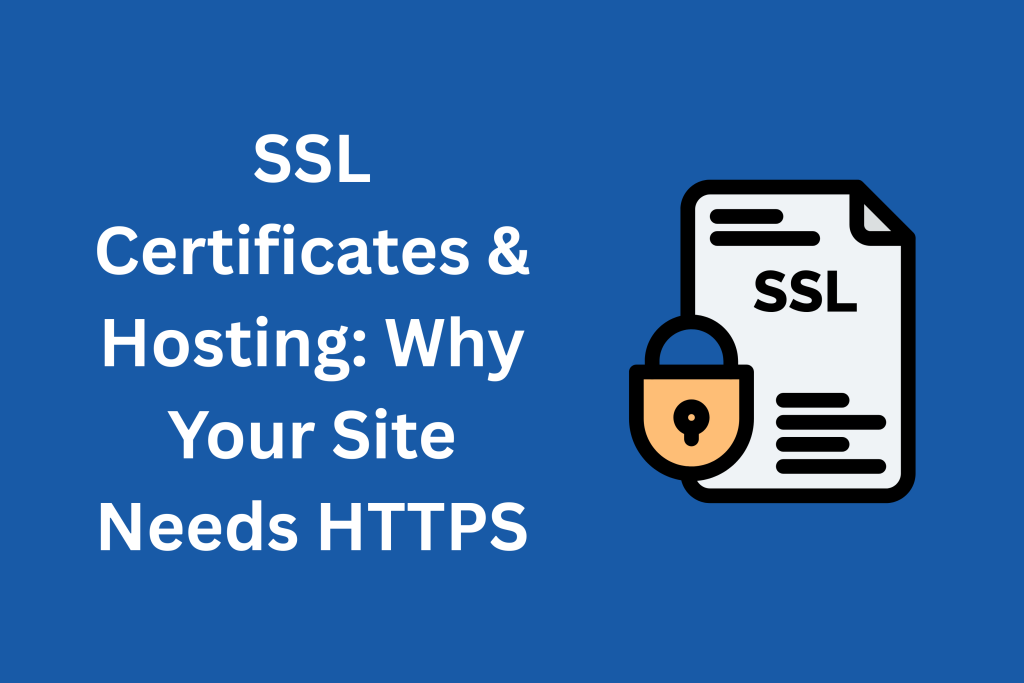
In today’s digital landscape, website security is non-negotiable. If your site still uses HTTP instead of HTTPS, you’re not just risking security—you’re also hurting your credibility and search rankings.
At Hostinger, we believe every website deserves top-tier security. In this guide, we’ll explain why SSL certificates are essential, how they work, and why choosing the right hosting provider (like Hostinger!) makes all the difference.
What is an SSL Certificate?
An SSL (Secure Sockets Layer) certificate encrypts data between a user’s browser and your website. This ensures that sensitive information—like passwords, credit card details, and personal data—can’t be intercepted by hackers.
How to Spot a Secure Website
✅ HTTPS (not HTTP) in the URL
✅ Padlock icon in the browser bar
✅ “Secure” label in Chrome and other browsers
Without SSL, your site is labeled “Not Secure”, which scares visitors away.
Why Your Website Needs HTTPS (Not Just for Security!)
1. Protects User Data
- Encrypts login details, payments, and forms.
- Prevents hackers from stealing sensitive information.
2. Boosts Google Rankings
- Google prioritizes HTTPS sites in search results.
- Sites without SSL may rank lower, losing traffic.
3. Builds Trust with Visitors
- 85% of users avoid non-HTTPS sites (Source: HubSpot).
- The padlock icon reassures customers it’s safe to browse.
4. Required for Online Payments
- PCI Compliance demands HTTPS for eCommerce.
- Without SSL, payment processors like Stripe/PayPal won’t work.
5. Prevents Browser Warnings
- Chrome/Firefox block HTTP sites with scary “Not Secure” alerts.
- This increases bounce rates and kills conversions.
Does Your Hosting Provider Support SSL? (Beware of Cheap Hosts!)
Many budget hosts charge extra for SSL or provide outdated certificates. Worse, some don’t support HTTPS at all!
What to Look for in an SSL-Friendly Host:
✅ Free SSL Certificates (Like Let’s Encrypt)
✅ Auto-Installation & Renewal (No manual setup)
✅ HTTP/2 & HTTPS Full Support (Faster, secure browsing)
✅ No Hidden Fees (Some hosts upsell “premium” SSL)
🚨 Cheap Hosting Risk: If your provider doesn’t offer free SSL, you’ll pay yearly fees (up to $200/yr!) just to stay secure.
Why Hostinger is the Best Choice for SSL & HTTPS Hosting
At Hostinger, we make SSL easy and completely free for all websites. Here’s why our users love it:
✔ Free Let’s Encrypt SSL for All Plans
- No extra costs—unlike hosts that charge $50+/year.
- Auto-installed in 1 click (no technical skills needed).
✔ Auto-Renewal (No Lapses in Security)
- Never worry about expired certificates.
- We handle renewals automatically.
✔ Faster HTTPS with HTTP/2 & LiteSpeed
- SSL used to slow sites down—not anymore!
- Our servers optimize HTTPS for maximum speed.
✔ 24/7 Support if You Need Help
- Stuck installing SSL? Our experts will assist.
🔹 With Hostinger, you get bank-level security at no extra cost.
How to Enable HTTPS on Your Website (3 Simple Steps)
Step 1: Choose a Hosting Plan with Free SSL
(Hint: All Hostinger plans include it!)
Step 2: Install the SSL Certificate
- In Hostinger, it’s enabled by default—no setup needed!
- For other hosts, you may need to manually request it.
Step 3: Force HTTPS (Avoid Mixed Content Errors)
- Use a plugin like Really Simple SSL (WordPress).
- Or, enable “Force HTTPS” in your hosting dashboard.
💡 Pro Tip: Check for mixed content errors (some HTTP elements can break HTTPS).
Don’t Risk Your Site’s Security—Switch to Hostinger Today!
If your host charges for SSL or makes HTTPS difficult, it’s time for a change. Hostinger offers:
🔒 Free SSL certificates (no hidden fees)
⚡ Blazing-fast HTTPS performance
🛡️ Automatic security & renewals
📞 24/7 support if you need help
🚀 Get Secure Hosting with Free SSL Now
Final Thoughts
An SSL certificate isn’t optional anymore—it’s a must-have for security, SEO, and user trust. With Hostinger, you get free, hassle-free HTTPS on all plans, so your site stays safe without extra costs.
Still on HTTP? Make the switch today before hackers—or Google—penalize you!